



 View in the ChatGPT registry
- Brand
- Unknown
- Category
- Pending
- Primary Subcategory
- Pending
Integration details
Description
AgentGuards checks the things an AI agent is about to trust or run. - Scan untrusted text (web pages, emails, documents, issues, other tools' output) for prompt injection, jailbreak attempts, leaked secrets and personal data before acting on it. - Check a shell command before running it: destructive deletes, credential reads, data exfiltration, force pushes and infrastructure changes are flagged with a risk level and a reason. - Scan source code for security issues and hardcoded secrets before committing or running it. Who it's for: developers using ChatGPT or Codex with untrusted inputs or shell access. Requires an AgentGuards account (you sign in when you connect). Scan results also appear in your AgentGuards dashboard. Limitations: the tools scan only what they are given, when they are called. They do not intercept anything automatically, and they never run, change or delete anything themselves.
- Integration type
- Plugin
- Verification status
- Not applicable
- Platform
- ChatGPT
- Category
- Pending
- Primary Subcategory
- Pending
- Secondary Subcategories
- None listed
- Brand
- Unknown
- Access
- Account required
- First tracked
- 2026-11-06
- Tool count
- 3
- Market
- US
The broad Category that contains the Primary Subcategory.
The Primary Subcategory used for this profile’s headline score.
Other Subcategories where the Integration is listed.
 Agent DiscoverabilityChatGPT Plugin Discovery Score
Your score is coming
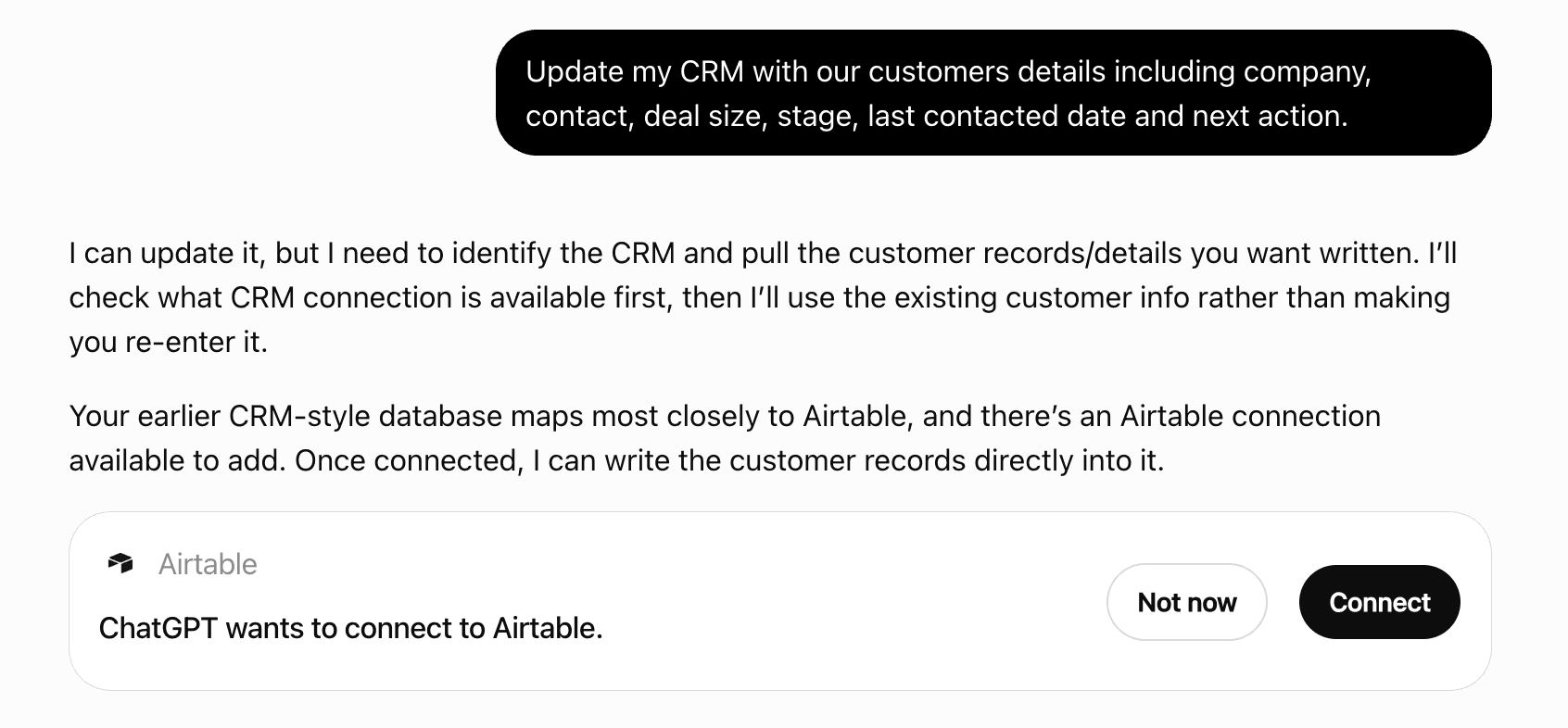
ChatGPT now suggests Plugins on its own when they match a user's request.Your Plugin Discovery Score measures how often yours appears, and it will show here as soon as it’s ready.
What discovery looks like
Get alerts for AgentGuards
Get updates when AgentGuards’s Discoverability Score or category rank changes.
Competitive lineup
3 tools agents can invoke

AgentGuards ChatGPT Plugin FAQ
How the directory, categories and Discoverability Score work.
Read the methodologyHow do I improve AgentGuards's ChatGPT Plugin discoverability?
The levers are the listing surface agents actually read: names, descriptions, keywords, tool metadata, and registry health. Which lever matters depends on where discovery breaks, which is what continuous measurement shows.
Where is this profile measured?
This profile uses the geography attached to the latest public registry snapshot: US. Locale tags are intentionally omitted.