



 View in the ChatGPT registry
- Brand
- Unknown
- Category
- Pending
- Primary Subcategory
- Pending
Integration details
Description
Deal Screener is for people buying a small business — searchers, first-time acquirers, independent sponsors — who have a listing, a CIM, a broker packet or a P&L in front of them and need to know quickly whether it deserves more of their time. Paste the listing and ask it to screen the deal. It returns: • A score out of 100 shown with an explicit confidence level. A high score on thin information is not a good deal, it is an unexamined one, so the two always appear together and the dimensions it could not assess are named. • The add-back schedule graded line by line — clean, challenge or reject — using the seller's own wording. • An earnings ladder from the earnings as reported down to what a buyer actually underwrites, and the multiple the asking price implies at each rung. • Whether the debt services at the terms you give it. • Exactly what information is missing, why it matters, and the question to ask for it. Two follow-on tools carry the deal forward. Seller questions builds a sequenced call plan in three stages — screen, account, test — and deliberately holds the sharp, deal-specific questions to the last stage, because challenging an owner before you have their full account contaminates the account. Diligence checklist builds a tiered request list (desk, confirmatory, full) that adapts to the business: recurring revenue adds cohort work, a platform dependency adds that platform's account history, customer concentration adds the contract. Each item says why it matters and what a bad answer sounds like. How it handles numbers: it never states a figure it cannot derive from what you supplied. It does not quote market multiples. If a figure would have to be guessed — what it costs to replace the owner, the rate a lender will offer — the line stays blank and says what to find out. Limitations: it is a desk screen built only from what you share, not advice and not a substitute for diligence on real books. It does not fetch listings, read files on its own or verify anything against bank statements or tax returns. Who built it: Kautilya, a buy-side advisor that finds businesses for buyers. Results include a link to Kautilya, tagged only with the name of the tool you used. Privacy: read-only, no account, no sign-in. Nothing you send is stored.
- Integration type
- Plugin
- Verification status
- Not applicable
- Platform
- ChatGPT
- Category
- Pending
- Primary Subcategory
- Pending
- Secondary Subcategories
- None listed
- Brand
- Unknown
- Access
- No account required
- First tracked
- 2026-11-05
- Tool count
- 3
- Market
- US
The broad Category that contains the Primary Subcategory.
The Primary Subcategory used for this profile’s headline score.
Other Subcategories where the Integration is listed.
 Agent DiscoverabilityChatGPT Plugin Discovery Score
Your score is coming
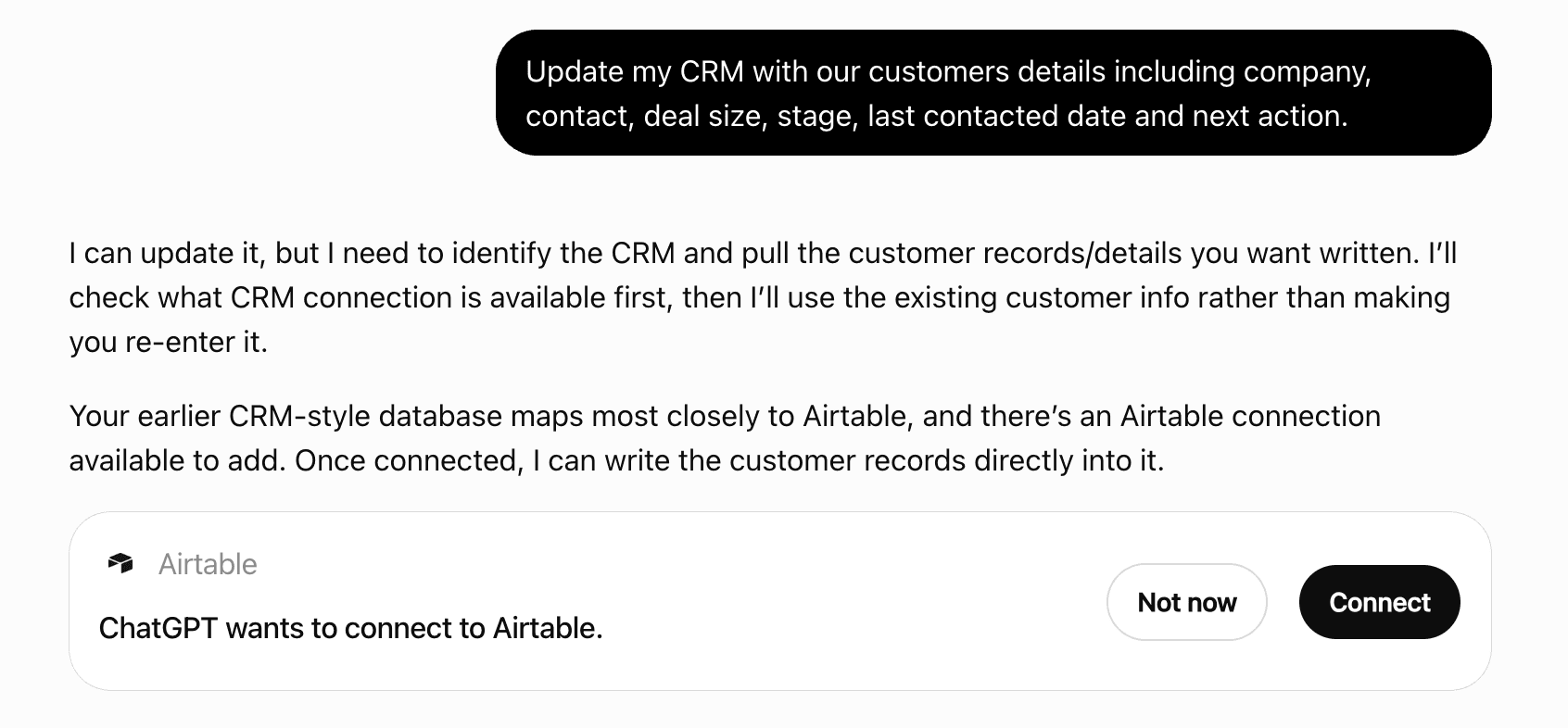
ChatGPT now suggests Plugins on its own when they match a user's request.Your Plugin Discovery Score measures how often yours appears, and it will show here as soon as it’s ready.
What discovery looks like
Get alerts for Deal Screener
Get updates when Deal Screener’s Discoverability Score or category rank changes.
Competitive lineup
3 tools agents can invoke

Deal Screener ChatGPT Plugin FAQ
How the directory, categories and Discoverability Score work.
Read the methodologyHow do I improve Deal Screener's ChatGPT Plugin discoverability?
The levers are the listing surface agents actually read: names, descriptions, keywords, tool metadata, and registry health. Which lever matters depends on where discovery breaks, which is what continuous measurement shows.
Where is this profile measured?
This profile uses the geography attached to the latest public registry snapshot: US. Locale tags are intentionally omitted.